It’s my hope that The Backpack Series inspires honest and earnest conversation in the classroom and at home.
I believe it is so important to focus on social and emotional curriculum and supports in helping nurture a healthy learning environment for all students. I would love to support your learning community to complement your Mental Health Strategic Plan by visiting and sharing my workshop with your students in your classrooms and communities.
I’m truly honoured and grateful for the feedback I receive from parents, educators and psychologists who share how my books are making a meaningful difference for their young readers.
Please feel free to contact me anytime you would be interested in booking an author visit with me or to share your comments and insights on how my books have made an impact in your home, classroom or practice!
To bring The Backpack Series to life, please contact me at info@thebackpackseries.com
Wishing you bright and light always!
“I had the honour of sitting with Brain Power CEO Vanessa Iarocci for an engaging fireside chat to discuss the pressures high-achieving students face and ways educators and parents can help support their mental health and well-being.” JA
A Fireside Chat with Julie-Ann and Vanessa:
V: For parents focused on performance and academic outcomes, how can we
reframe mental health not as a soft issue, but as a strategic foundation for
long-term achievement?
JA: Being a parent is no easy task! Most parents want to give their children every
opportunity to develop physically, academically, socially and emotionally. However,
when the focus on performance and academic outcomes begins to outweigh other
areas of development, it can create stress for students, which may negatively impact both their mental health and academic success.
Therefore, I feel it is important to maintain a healthy balance between school and home life, giving students the opportunity to readjust and recharge. While studying and preparing for tests or assignments is important, it is equally important to devote the same level of care and effort toward physical and social well-being. Mental health is a key component throughout every learning journey. Positive mental health reduces stress levels and creates space for improved focus and retention, ultimately leading to stronger performance and better academic outcomes for students.
V: In your view, how are today’s school systems responding to the mental health needs of high-performing children? Are they doing enough to support students whose struggles may be masked by their success?
JA: School boards are focusing more on mental health today than ever. Many school boards have developed a mental health strategy through Ministry memoranda to support student well-being. High-performing children often experience pressure to succeed, which can negatively impact their mental health.
Their stress and anxiety may go unnoticed because strong academic results mask the internal struggle to maintain constant performance and motivation. In this context, it is essential for educators to implement supportive social-emotional learning programs that address these challenges and provide students with effective strategies to manage stress.
Mental health-based lessons in the classroom encourage a healthy balance between social and emotional development and serve as a proactive way to help students cope with academic and social pressures. However, it is also important for educators and parents to work together to maintain a healthy learning environment both at school and at home. Alongside strong classroom programs, parents play a vital role in reinforcing these strategies to support their child’s positive mental health and overall well-being.
V: What does your book teach children about handling the stress that can come with being “the smart one”? How do those lessons contribute to their ability to lead, persist, and succeed?
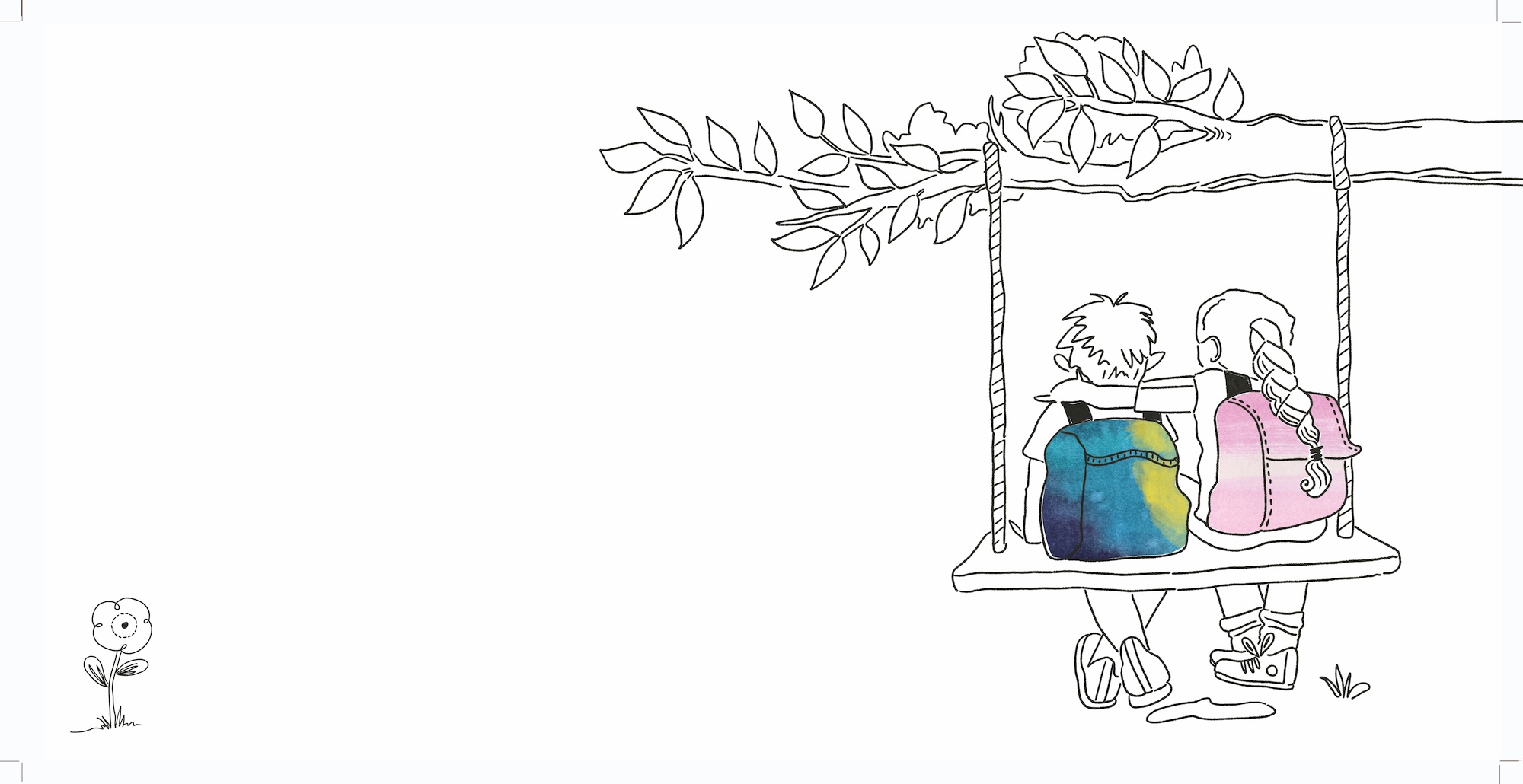
JA: My books focus on encouraging emotional awareness by highlighting the “invisible backpacks” we all carry that hold our feelings and experiences. Through storytelling, I offer simple strategies that help readers understand, name, and normalize their emotions, giving them practical tools to manage their mental health.
My first book, The Backpack You Don’t See, introduces the idea that our invisible backpacks are bright and light when we feel happy and stress-free, and dark and heavy when we feel sad, angry, stressed, or worried. The story encourages readers to talk to someone when their backpacks are dark and heavy, helping to lighten their emotional load. It also promotes self-reflection, encouraging readers to pause, recognize, and better understand their feelings.
Students who feel stress from being “the smart one” can use these lessons to encourage honest conversations with parents and teachers. This creates space to talk about pressures around maintaining grades, meeting expectations, and navigating peer relationships. This approach helps children manage their emotions and builds the confidence needed to speak openly about both successes and struggles, which is key to positive mental health and well-being. The strategies in these stories help students lead with confidence, persist through challenges using healthy coping tools, and ultimately succeed.
V: High-achieving children often internalize pressure to be perfect. How can parents and educators create an environment where excellence and emotional well-being coexist?
JA: We live in a society where information comes from every direction: advertisements, social media, television, streaming platforms, and constant digital communication. Within this environment, success is often portrayed in numbers such as percentages, rankings, test scores, targets, follower counts, and likes. Through this lens, perfection becomes linked to success, creating the belief that the closer to perfect, the better.
This misconception fuels pressure to perform, particularly in high-achieving children who are deeply motivated and may feel an increased need to be perfect. For this reason, parents and educators must foster learning environments that embrace mistakes and recognize that perfectionism is not the same as true performance. Trying to be perfect is extremely stressful, especially for young learners.
From the beginning, it is important to communicate that perfection should not be the goal. Instead, children need a healthy balance between striving for excellence and accepting both successes and failures as natural parts of growth. Learning from mistakes and reinforcing strategies for improvement within a supportive environment helps develop confident lifelong learners.
Social-emotional learning plays a vital role in building resilience and supporting positive mental health. Maintaining open communication between educators, parents, and students helps children feel secure in their abilities while encouraging risk-taking without fear of failure. Students should be encouraged to do their best, set meaningful goals, and work diligently, while understanding that success does not require perfection.
V: You explore big feelings in little kids. How can developing emotional vocabulary early on give children a cognitive edge in areas like decision-making, self-regulation, and problem-solving?
JA: It is essential to teach emotional awareness at an early age so children can learn to regulate their feelings and build resilience. Through my experiences as both an educator and a parent, I have seen how encouraging children to talk about their feelings helps them develop a strong emotional vocabulary and equips them to navigate early life experiences.
Developing an emotional vocabulary allows children to put their feelings into words. This skill helps them identify emotional triggers and express what is influencing their reactions. As a result, their decision-making becomes less reactive and more thoughtful because they can communicate their needs more clearly.
A strong emotional vocabulary also supports problem-solving skills. When students can articulate their thoughts and feelings effectively, they are better able to break challenges into manageable parts and approach situations with clarity. It also strengthens self-regulation by giving children the language needed to describe what they are experiencing and work through those feelings constructively.
Overall, the ability to identify and discuss emotions through a well-developed emotional vocabulary enhances cognitive development and serves as a crucial foundation for positive mental health and well-being.
V: Thank you for taking the chance to chat with us today about these important topics. I highly recommend any parent interested to pick up a copy of The Backpack You Don’t See.
JA: My pleasure, thank you!